Recursion by Blake Crouch: when memory rewrites reality
In the world of contemporary science fiction thrillers, certain works brilliantly combine complex scientific concepts with deeply human questions. Recursion by Blake Crouch, the author of the excellent Dark Matter and the Wayward Pines trilogy, unquestionably belongs to this exceptional category. Published in 2019, this novel plunges us into a dizzying adventure where memory becomes a double-edged sword capable of rewriting existence itself.
A fascinating premise: False Memory Syndrome
The story opens with two characters whose destinies will intertwine. Barry Sutton, a New York detective haunted by his daughter’s death, investigates what appears to be a strange epidemic: “False Memory Syndrome” (FMS). Victims suddenly wake up with memories of a life they never lived—at least not in this reality. Meanwhile, Helena Smith, a brilliant neuroscientist, develops revolutionary technology to preserve memories, initially motivated by her desire to help her mother suffering from Alzheimer’s.
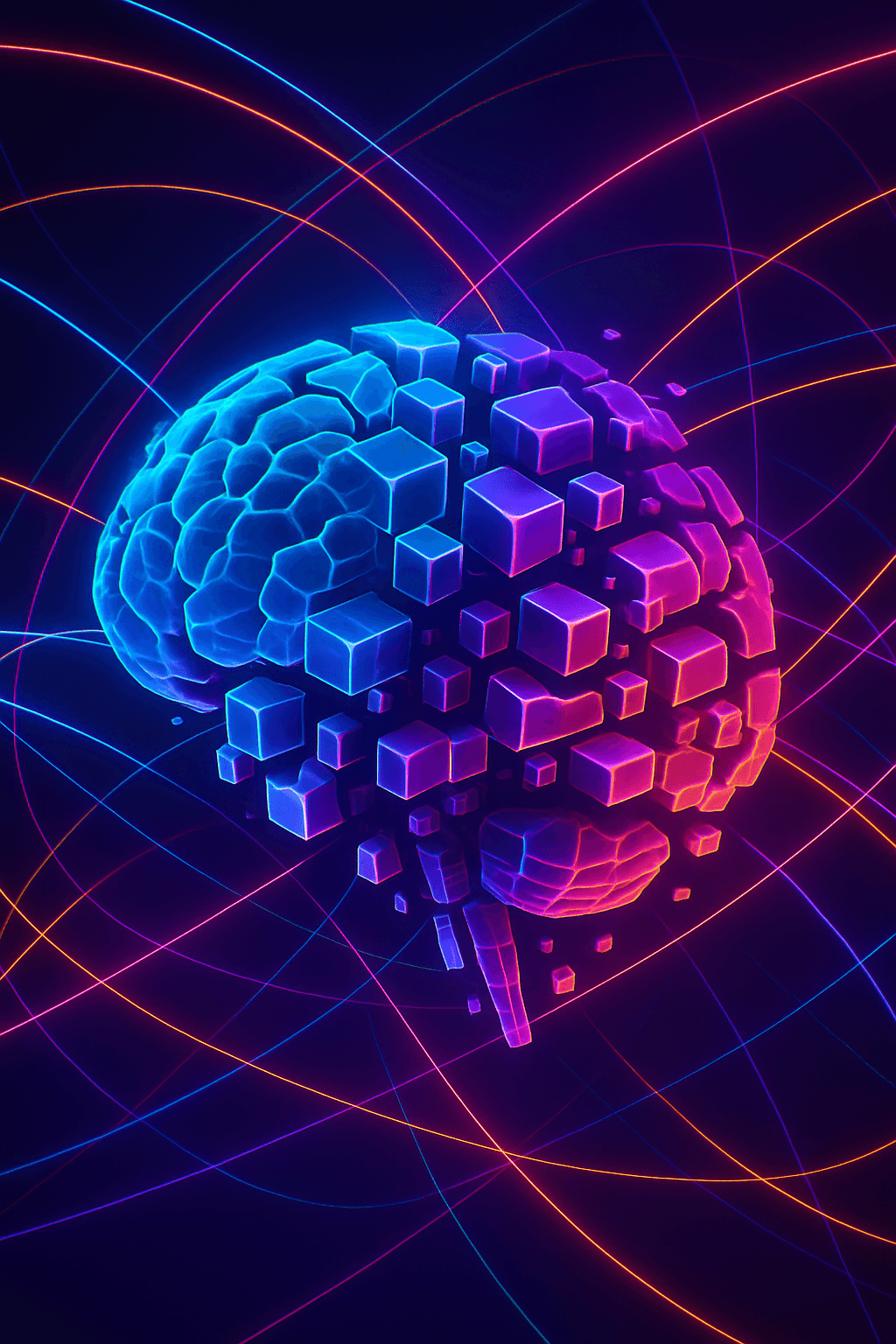
What begins as two distinct narratives rapidly converges toward a stunning revelation: Helena’s technology, diverted from its original purpose, not only stores memories but also allows literal travel into the past by reactivating those same memories. The consequences are cataclysmic: each “jump” through time creates a new timeline, erasing the old one and generating new memories in everyone who lived differently in this new reality—thus explaining the FMS epidemic.
A narrative structure mirroring its subject
The novel’s construction brilliantly reflects its central theme. Crouch uses a non-linear narrative structure that navigates us between different timelines, different versions of the same events. This approach recalls The Butterfly Effect in its exploration of the consequences of temporal modifications, but Crouch pushes the concept much further by focusing specifically on the nature of memory as an anchor of identity.
Chapters alternate between Barry’s and Helena’s perspectives, offering two complementary angles on events: that of the detective who gradually discovers the phenomenon’s scope and that of the scientist who watches her creation slip away from her. This narrative duality allows Crouch to explore both the emotional and scientific implications of his concept.

Memory as the foundation of identity
One of Recursion’s most powerful themes is its exploration of the relationship between memory and identity. If our memories can be modified, who are we really? This philosophical question, which could be found in Philip K. Dick’s Blade Runner (originally Do Androids Dream of Electric Sheep?), is treated here with remarkable depth.
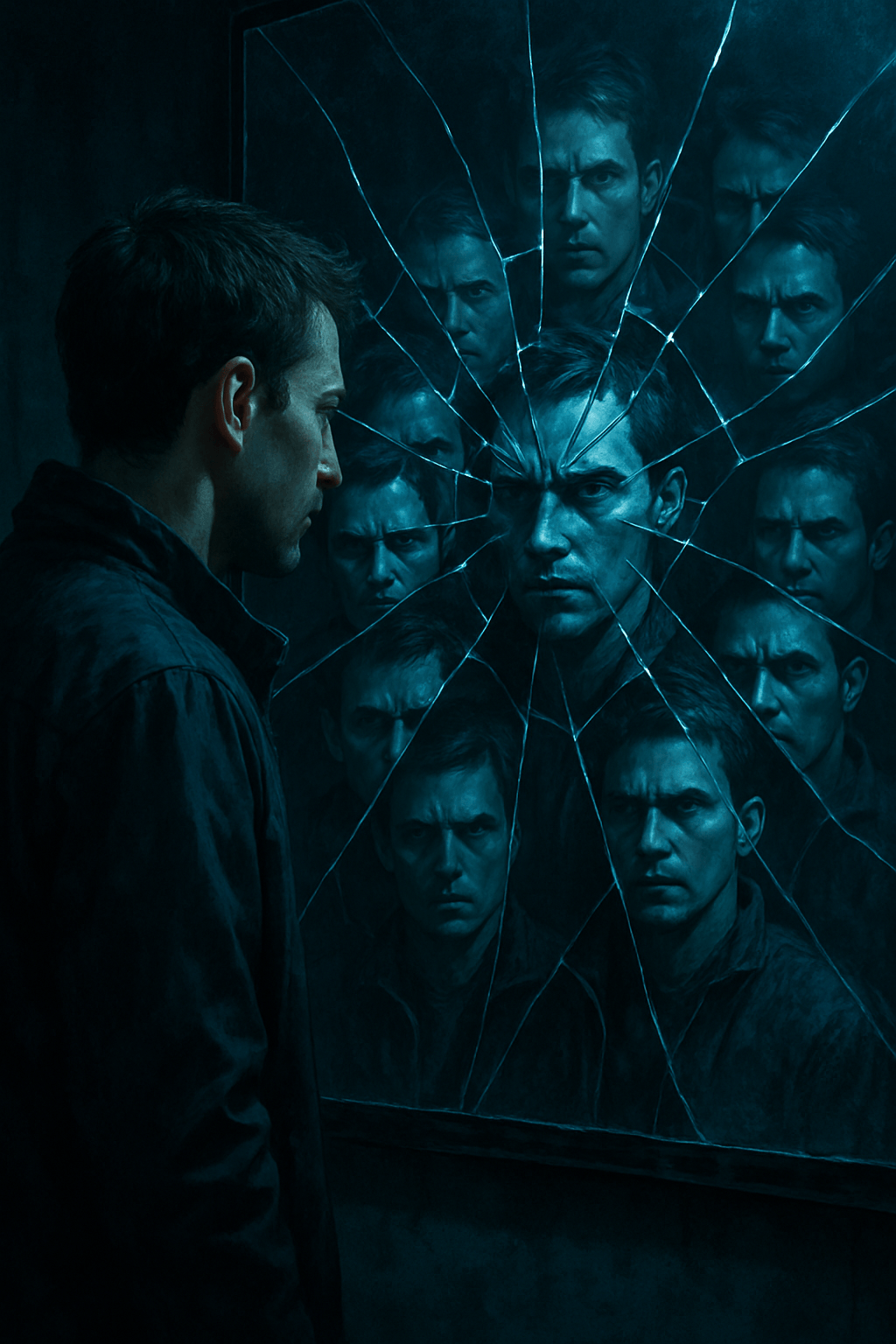
Crouch shows us how the characters struggle to maintain their sense of self when confronted with contradictory memories. Barry, for example, must navigate between several versions of his life, some where his daughter is dead, others where she’s alive. This fragmentation of lived experience raises fundamental questions: which version of ourselves is most authentic? Do our choices in one timeline define who we are in another?
Helena, meanwhile, embodies the paradox of scientific intention versus unforeseen consequences. Her technology, designed to preserve the most precious memories, becomes a tool for manipulating reality on apocalyptic proportions.
Time as an implacable antagonist
In Recursion, time itself becomes a formidable adversary. Unlike other time travel stories where protagonists simply seek to repair a specific error, Barry and Helena find themselves caught in a spiral of corrections and new catastrophes. Each attempt to “fix” the past creates new problems, often more serious than the previous ones.
This vision of time as an implacable, almost conscious force sometimes recalls the temporal determinism of Arrival (adapted from Ted Chiang’s novella), but Crouch adds a dimension of growing chaos. The more the characters manipulate time, the more violently the universe seems to react, as if reality itself were rebelling against these intrusions.
A reflection on grief and second chances
At the heart of this gripping science thriller lies a deeply human reflection on grief and our universal desire for second chances. Barry is motivated by the loss of his daughter, Helena by her mother’s mental deterioration. These deeply personal motivations give powerful emotional dimension to what could have been merely a conceptual exercise.
Crouch sensitively explores how the possibility of reliving and potentially changing the past affects our ability to accept losses and move forward. Helena’s technology offers an almost irresistible temptation: why accept a loss when you can simply go back and prevent it? But the novel also shows us the emotional cost of these perpetual returns, the impossibility of fully living in a present always liable to be erased.
Kinetic writing in service of suspense
Blake Crouch’s writing style is particularly suited to this dizzying story. His short sentences, sustained rhythm, and visual descriptions create an immersive reading experience that sometimes feels like watching a movie rather than reading a book. This cinematic quality is not surprising from the author of Dark Matter and the Wayward Pines trilogy, both recognized for their screen adaptation potential.
The action scenes are particularly well rendered, especially the temporal “jumps” described with visceral intensity. Crouch also excels in moments of existential horror, such as when characters realize their entire reality is about to be erased by an imminent jump or when they wake up with contradictory memories.
The ethical implications of memory manipulation
Recursion raises fascinating ethical questions about memory and time manipulation. If we could rewrite our mistakes, should we? Do we have the right to change a reality shared by billions of other people to satisfy our personal desires?
The novel also explores the dangers of concentrating technological power. When Helena’s “memory chair” falls into the hands of a billionaire with dubious motivations, the consequences quickly become catastrophic. This critique of technological power without ethical safeguards echoes very contemporary concerns about artificial intelligence or genetic manipulation.
An apocalypse of a new kind
As the plot develops, Crouch presents us with a unique apocalyptic vision: a world where reality itself becomes unstable due to multiple overlapping timelines. This “memory apocalypse” where entire populations suddenly wake up with contradictory memories creates a type of social chaos never seen before.
This original vision of the end of the world, based not on physical destruction but on a fragmentation of collective consciousness, constitutes one of Crouch’s most original contributions to the post-apocalyptic genre.
A love story transcending time
Amid this conceptual and temporal chaos, Crouch anchors his narrative in a remarkably powerful love story. The relationship between Barry and Helena, which develops across multiple timelines and versions of themselves, becomes the novel’s emotional thread.
What makes this romance particularly poignant is that the characters must constantly find and reconquer each other in each new reality. Their connection transcends timelines, suggesting a form of destiny or affinity that exists beyond specific memories—a constant in a universe of variables.
Conclusion: a landmark work of contemporary SF
Recursion stands as one of the most ambitious and successful works of recent science fiction. Blake Crouch brilliantly combines cutting-edge scientific concepts with deeply human questions about identity, grief, and our relationship with time.
While the novel borrows certain elements from genre classics like Chris Marker’s La Jetée or more recently Dark (Netflix series), it recombines them in a totally original way to create a unique reading experience. Crouch’s particular strength lies in his ability to make complex scientific concepts accessible without ever sacrificing intellectual rigor or emotional impact.
Recursion reminds us why science fiction remains such a powerful genre: its ability to make us reflect on fundamental questions of human existence through the prism of technological possibilities that, though imaginary, illuminate our present condition in a new and revealing light.